
If you’ve ever flipped through old wedding photos, you know how quickly you can spot the decade a bride got married. A huge veil and puffed sleeves? Probably the 80s. A sleek satin strapless dress? Early 2000s, most likely. Bridal fashion has always been a reflection of the time. Wedding dresses change right alongside everyday fashion, cultural trends, and even the way couples think about their weddings. And over the last 90 years, it has gone through some pretty interesting transformations.
Looking back at those changes isn’t just fun; it also gives us a glimpse into where it might be headed next.
If you’re still figuring that out, understanding the different types of brides (and how to find your style) can be a great place to start.
Bridal Fashion Has Always Reflected the Moment
Wedding dresses might feel timeless, but they’re very much shaped by the era they belong to. The silhouettes, fabrics, and details brides fall in love with are often influenced by what’s happening in fashion and culture at the time.
Decades ago, weddings leaned heavily into tradition and formality. Bridal fashion followed that lead with classic shapes, elegant fabrics, and structured designs. But as society evolved and personal style became more important, bridal fashion loosened up.
Instead of one “right” type of wedding dress, brides began choosing gowns that reflected their personality and vision for their wedding day. That shift toward individuality is one of the biggest reasons bridal fashion keeps evolving.
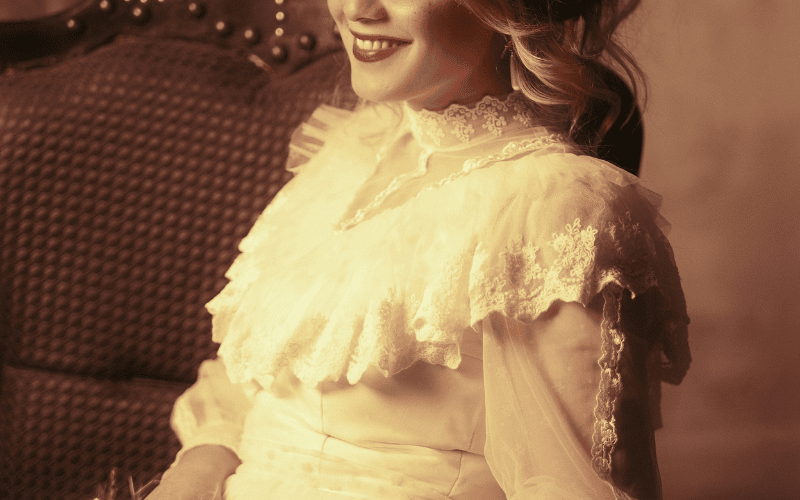
Photo by Ali Karimiboroujeni on Unsplash
The Classic Bridal Style Era (1930s–1950s)
When people picture a traditional wedding dress, they’re often imagining styles inspired by the 1930s through the 1950s.
During this time, it was all about elegance. Dresses featured structured silhouettes, graceful skirts, and luxurious fabrics like satin and lace. Many gowns had long sleeves or higher necklines, and veils were often dramatic and cathedral length.
Weddings during this time symbolized hope and new beginnings, especially after the Great Depression and World War II. Dresses reflected that meaning; they felt intentional and refined.
Even today, many of the most classic elements of bridal fashion, lace gowns, full skirts, and timeless silhouettes, can be traced back to this period.
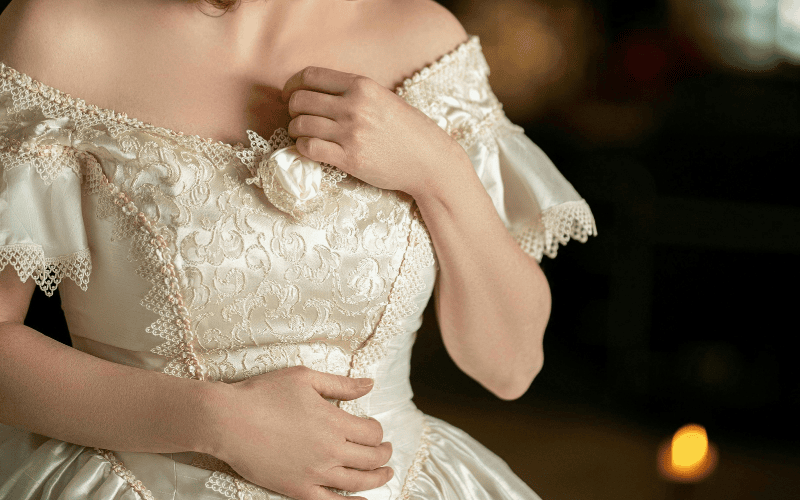
Photo by Arturo Añez on Unsplash
When Wedding Dresses Became More Personal (1960s–1980s)
By the 1960s, things started to shift.
Brides began experimenting with different silhouettes. A-line dresses became popular for their flattering shape and comfort. Some brides chose shorter dresses, especially in the 60s, while the 70s introduced softer, more relaxed styles with flowing fabrics and bohemian influence.
Then came the 1980s, and everything got bigger.
Voluminous skirts, puffed sleeves, and dramatic trains defined the decade. Weddings felt grand, and dresses matched that energy.
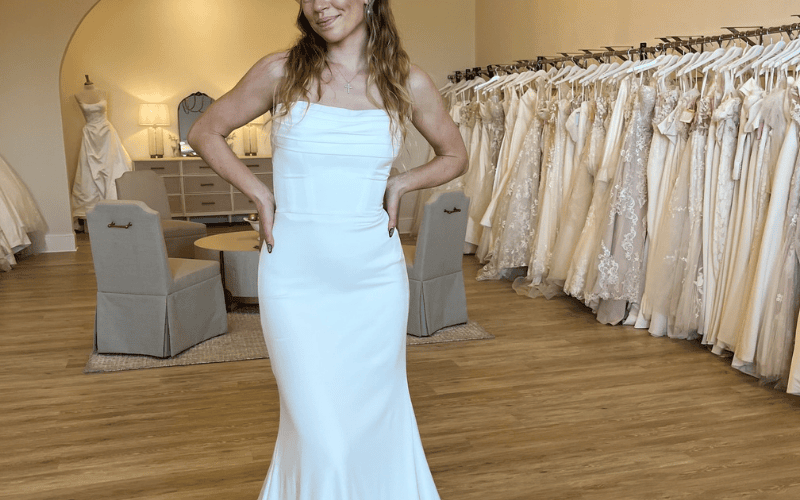
The Rise of Modern Wedding Dress Trends (1990s–2010s)
After the boldness of the 80s, the 90s took a completely different approach.
Minimalism became a major influence. Sleek satin gowns with clean lines started replacing the elaborate styles of the previous decade. Strapless dresses quickly became one of the defining looks of modern bridal fashion and remained incredibly popular for years.
At the same time, the way brides discovered dresses began to change. Bridal magazines, television shows, and eventually social media opened up a world of inspiration.
By the 2010s, bridal fashion had become incredibly diverse. Lace fit-and-flare gowns, illusion necklines, and detailed appliqués became popular choices. Designers also started offering more customizable options, so brides could personalize their gown with sleeves, overskirts, or other design details.
For the first time, bridal fashion wasn’t about following one specific trend. It was about finding the dress that felt right for you.
What Today’s Bridal Fashion Says About the Future
If there’s one word that defines bridal fashion today, it’s freedom.
Brides have more choices than ever. Some love sleek, minimalist gowns. Others gravitate toward bold textures, lace, or dramatic sleeves.
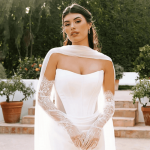
Convertible elements are also everywhere. Overskirts, detachable sleeves, and capes allow brides to change their look throughout the day without changing dresses entirely.
There’s also a growing focus on thoughtful design. Some brides are choosing gowns they can repurpose, alter, or purchase from designers prioritizing responsible production.
What’s especially interesting is how modern bridal fashion often pulls inspiration from the past—blending vintage elements with updated details.
Why Bridal Fashion Will Keep Evolving
If the past 90 years of bridal fashion have taught us anything, it’s that wedding dresses will always continue to evolve.
Every generation of brides brings new ideas, new preferences, and new ways of celebrating weddings. As couples personalize their ceremonies and receptions, their style choices naturally change too.
Future brides will likely continue to prioritize individuality, comfort, and meaningful design choices. Some will gravitate toward timeless silhouettes, while others will embrace modern styles or unexpected details.
And that’s exactly what keeps bridal fashion exciting.
Looking Back, and Ahead
Over the past nine decades, wedding dress trends have transformed in ways that reflect both tradition and change.
Some styles fade. Others come back around. And a few become timeless staples.
But through it all, one thing stays the same: bridal fashion is about helping a bride feel like the best version of herself on one unforgettable day.
And no matter what the next decade brings, that part will never go out of style.